
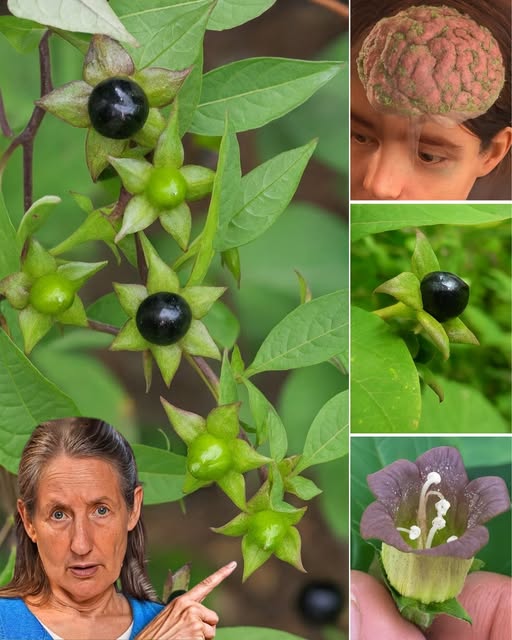
These alkaloids block critical neurotransmitters, leading to symptoms ranging from dry mouth and dizziness to respiratory failure and coma. A single berry or leaf can spell trouble, making Atropa Belladonna a plant to approach with utmost respect.
📜 A Dark Tapestry: The History and Folklore of Deadly Nightshade
Deadly Nightshade’s legacy is woven into the fabric of human history, from ancient battlegrounds to medieval cauldrons. Its dual nature as both a poison and a remedy has cemented its place in legend. Let’s journey through its storied past:
Ancient Rome and Greece: The Assassin’s Choice
In the shadows of ancient empires, Deadly Nightshade was a weapon of choice for poisoners and assassins. Romans dipped their arrows in its extracts, ensuring swift and silent kills. Its potency made it a feared tool in political intrigue, where a single dose could shift the tides of power.
Medieval Witchcraft: Potions and Visions
In the Middle Ages, Atropa Belladonna was synonymous with witchcraft. Alchemists and sorcerers believed it was a key ingredient in “flying ointments,” concoctions said to induce visions and otherworldly experiences. Witches reportedly used it in rituals to commune with spirits, blurring the line between reality and hallucination.
Renaissance Beauty: A Risky Allure
The name Belladonna, meaning “beautiful lady” in Italian, comes from its use in Renaissance cosmetics. Women applied diluted extracts to their eyes to dilate their pupils, creating a sultry, doe-eyed look that was the height of fashion. But this beauty came at a cost—prolonged use often led to vision damage or worse.
This plant’s ability to seduce and destroy has made it a symbol of danger and allure across cultures, a testament to its enduring mystique.
🚨 The Perils of Poisoning: Symptoms and Risks
Even a small encounter with Deadly Nightshade can have devastating effects. Its toxins act swiftly, and the symptoms escalate with alarming speed. Here’s what to watch for:
Mild Symptoms: The Early Warning Signs
Dry Mouth and Throat: A parched sensation that signals the body’s distress.
Blurred Vision and Dilated Pupils: Vision becomes hazy as pupils widen unnaturally.
Rapid Heartbeat (Tachycardia): Your heart races as the nervous system goes haywire.
Confusion and Dizziness: A foggy mind struggles to make sense of reality.
Severe Symptoms: The Point of No Return
Hallucinations and Delirium: Vivid, disorienting visions take hold.
Convulsions and Muscle Paralysis: The body seizes as muscles fail.
Difficulty Breathing: Oxygen becomes scarce as the respiratory system falters.
Coma and Death: In extreme cases, the body shuts down entirely.
Who’s at Risk?
Children: The plant’s sweet-looking berries are a deadly temptation, with even one or two being fatal.
Pets and Livestock: Animals grazing in the wild can fall victim to accidental ingestion.
Foragers and Herbalists: Misidentifying Atropa Belladonna for edible plants is a common and dangerous mistake.
If poisoning is suspected, immediate medical attention is critical. Time is of the essence when dealing with this lethal plant.
💉 Can Deadly Nightshade Be Used Safely?
Despite its terrifying reputation, Atropa Belladonna has found a place in modern medicine—under strict supervision. Its alkaloids, when carefully extracted and dosed, have legitimate therapeutic uses. Here’s how:
Medical Applications of Belladonna Extracts
Eye Dilation Drops: Ophthalmologists use atropine to dilate pupils during eye exams, allowing for detailed inspections.
Muscle Relaxants: Small doses of belladonna extracts can ease muscle spasms and tremors in certain conditions.
Motion Sickness Relief: Scopolamine-based patches are a go-to for preventing nausea during travel.
Nerve Gas Antidote: Atropine is a critical emergency treatment for nerve agent exposure, saving lives in chemical crises.
However, these applications are tightly controlled. Attempting to use Atropa Belladonna at home is a recipe for disaster. Only trained professionals with precise equipment can harness its benefits without risking catastrophe.
🔍 How to Spot and Steer Clear of Deadly Nightshade
Atropa Belladonna is a master of disguise, with its berries resembling edible fruits like blackberries. Knowing how to identify it is crucial for foragers, gardeners, and anyone venturing into the wild.
Identifying Atropa Belladonna
Flowers: Bell-shaped, purple blooms with a subtle greenish tint.
Leaves: Large, oval, and dark green, often glossy.
Berries: Shiny, black, and deceptively inviting, about the size of a cherry.
Height: The plant can tower up to six feet, standing out in wooded areas.
Safe Foraging Practices
Never Consume Unknown Plants: If you’re unsure, leave it alone.
Learn the Lookalikes: Study the differences between Deadly Nightshade and edible nightshades like tomatoes or blackberries.
Protect Vulnerable Ones: Keep children and pets away from areas where this plant grows.
By staying vigilant, you can admire Atropa Belladonna from a safe distance without falling prey to its dangers.
🌸 Should You Grow or Avoid Deadly Nightshade?
The question remains: is Atropa Belladonna a plant to cultivate or avoid? The answer depends on your intentions and expertise.
As a Medicinal Plant
In controlled pharmaceutical settings, Atropa Belladonna is a valuable resource. Its alkaloids are extracted with precision for life-saving medications. However, this is far from a DIY project—leave it to the experts.
As a Garden Plant
Some enthusiasts grow Deadly Nightshade for its ornamental beauty or research purposes. Its striking flowers and berries can add an eerie charm to a garden, but extreme caution is required. It should be kept far from children, pets, and edible plants to prevent accidental poisoning.
As a Wild Plant
In the wild, Atropa Belladonna is best avoided. Foragers should steer clear, as even a small mistake can have fatal consequences. Admire its beauty from afar, but never touch or consume it.
🌟 The Enduring Enigma of Deadly Nightshade
Atropa Belladonna is a plant of contradictions—beautiful yet deadly, medicinal yet poisonous, revered yet feared. Its dark history as a tool of assassins, witches, and beauties only adds to its allure. While it plays a role in modern medicine, its wild form remains a potent threat, demanding respect and caution.
For those captivated by its mystique, Atropa Belladonna is a reminder of nature’s complexity—a single plant can heal, harm, or enchant, depending on how it’s wielded. So, the next time you wander through a forest or garden, keep an eye out for this shadowy beauty. Admire it, study it, but never underestimate its power. Your curiosity might just save you from its deadly embrace.
Key Takeaways
Highly Toxic: Every part of Atropa Belladonna is dangerous to humans and animals.
Rich History: From poisons to potions, it’s shaped centuries of intrigue.
Medical Marvel: Controlled extracts have life-saving applications.
Stay Cautious: Never handle or consume without expert guidance.
ADVERTISEMENT
