
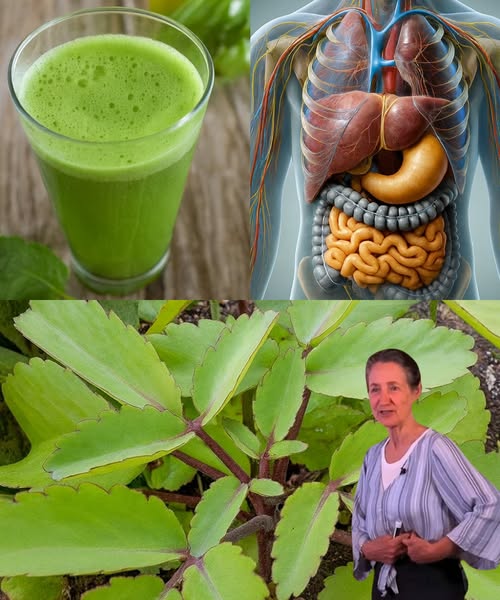
The plant’s juicy leaves are a go-to remedy for inflammation. In the Amazon, indigenous tribes roast the leaves lightly to treat inflammations and even use them as a poultice for wounds and burns. The anti-inflammatory properties, driven by flavonoids like quercetin, help soothe swelling and promote faster healing.
Antimicrobial and Antifungal Champion
Kalanchoe pinnata is a natural defender against infections. Its leaves contain ecdysteroids, which exhibit potent antibacterial and antifungal properties. In traditional practices, leaf juice is applied to treat ringworm, insect bites, and even ear infections. Modern studies are beginning to validate these uses, showing the plant’s potential to combat microbial threats.
Cancer-Fighting Potential
Perhaps the most exciting frontier is Kalanchoe pinnata’s role in cancer research. Recent studies have explored its leaf extracts for their selective anticancer activity, particularly against human cancer cell lines like breast, prostate, and colon cancer. Compounds like bufadienolides and flavonoids, such as quercetin and kaempferol, have shown promise in inducing apoptosis (cell death) in cancer cells while sparing healthy ones. While more clinical trials are needed, the plant’s potential as an adjuvant in cancer treatment is sparking hope.
Respiratory and Digestive Relief
From coughs to stomach ulcers, Kalanchoe pinnata has been a trusted ally. In Brazil, it’s used as a sedative, diuretic, and cough suppressant, helping with respiratory conditions like asthma and bronchitis. The leaf juice, mixed with coconut oil or mother’s milk in some cultures, is a popular remedy for earaches and digestive issues like heartburn and constipation.
Wound Healing Wonder
The plant’s ability to accelerate wound healing is legendary. In Peru and Mexico, leaf infusions or crushed leaves are applied to cuts, burns, and ulcers to promote recovery. The plant’s antioxidant properties, coupled with its ability to reduce inflammation, make it a natural bandage for the skin.
🌸 A Symbol of Resilience and Renewal
Beyond its medicinal uses, Kalanchoe pinnata carries a deeper cultural significance. In the Philippines, it’s called “katakataka,” meaning “astonishing” or “remarkable,” a nod to its ability to sprout new plants from its leaves. The famous poet and naturalist Johann Wolfgang von Goethe was so enamored with this plant that he gifted its plantlets to visitors and wrote about it in his botanical studies, dubbing it the “Goethe Plant.” Its ability to regenerate and thrive in adversity makes it a symbol of hope and renewal across cultures.
🪴 Growing Your Own Miracle Leaf
Ready to bring this wonder into your home? Kalanchoe pinnata is a dream for plant enthusiasts, thanks to its low-maintenance nature and striking appearance. Here’s how to care for it:
Light and Location
This succulent thrives in bright, indirect sunlight but can handle a few hours of direct sun. Place it near a window where it can soak up 6–8 hours of light daily. Too much direct sunlight may scorch its leaves, so balance is key.
Watering Wisdom
As a succulent, Kalanchoe pinnata stores water in its fleshy leaves, making it drought-tolerant. Water sparingly, about once every 12 days, ensuring the soil dries out completely between waterings. Overwatering can lead to root rot, so opt for well-draining soil with perlite or vermiculite.
Temperature and Hardiness
This plant loves warmth and cannot tolerate frost. It thrives in USDA Hardiness Zones 9a–11b, preferring temperatures above 10°C (50°F). In colder climates, grow it as an indoor houseplant to keep it happy year-round.
Propagation Magic
Propagating Kalanchoe pinnata is as easy as it gets. Simply pluck a leaf with its plantlets, place it on moist soil, and watch new plants take root. It’s a rewarding process that feels like a small miracle every time.
Repotting Tips
Repot annually or when the plant doubles in size to refresh its nutrients. Use a cactus-specific soil mix to ensure proper drainage and prevent moisture buildup.
⚠️ A Word of Caution
While Kalanchoe pinnata is a healing powerhouse, it’s not without risks. The plant contains bufadienolide cardiac glycosides, which can be toxic in large quantities, especially to grazing animals. For humans, consuming the plant is not recommended, particularly in homes with children or pets, as ingestion can cause severe discomfort. Always consult a healthcare professional before using it medicinally, and keep it out of reach of curious hands and paws.
🌟 Why You’ll Fall in Love with Kalanchoe Pinnata
Kalanchoe pinnata is more than just a plant—it’s a living testament to nature’s ingenuity. Its ability to regenerate, heal, and adapt captivates everyone from gardeners to scientists. Whether you’re drawn to its lush, scalloped leaves, its delicate bell-shaped flowers, or its centuries-old legacy in traditional medicine, this plant has something to offer everyone.
As a houseplant, it brings effortless beauty and a touch of the exotic to your space. As a medicinal plant, it holds the promise of natural healing, backed by growing scientific evidence. And as a symbol, it reminds us of the resilience and wonder inherent in the natural world.
So, why not invite the Miracle Leaf into your life? Whether you’re nurturing it on your windowsill or exploring its healing potential, Kalanchoe pinnata is sure to leave you astonished, just as it has for generations across the globe. Ready to start your journey with this remarkable plant? The adventure begins with a single leaf.
ADVERTISEMENT
