
4. Use Air Purifiers and Filters
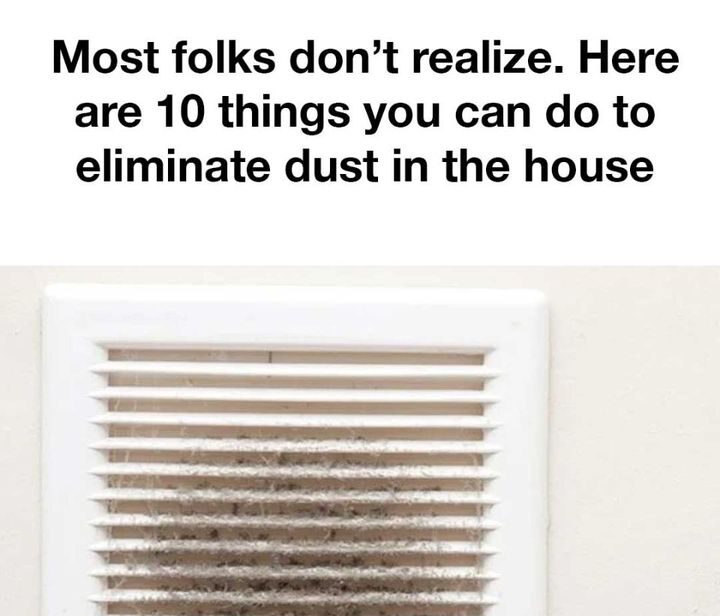
Air purifiers equipped with HEPA filters can significantly reduce dust levels in your home. Place air purifiers in high-use rooms like the bedroom or living room. Also, make sure your HVAC system has high-quality filters and replace them regularly to keep dust from recirculating.
5. Maintain Your HVAC System
An unclean HVAC system can exacerbate dust problems. Schedule regular duct cleaning and change filters often to ensure the system is filtering out dust, not spreading it throughout your home. Using high-efficiency filters will enhance dust removal.
6. Choose the Right Vacuum Cleaner
A vacuum with a HEPA filter is essential for trapping small dust particles. Select a vacuum with strong suction and adjustable settings, so it works well on different floor types. Emptying the vacuum bag or canister regularly ensures maximum efficiency.
7. Effectively Use Microfiber Cloths
Microfiber cloths are a game-changer for dusting. Their fine fibers trap dust instead of spreading it around. Use them dry for light dusting and dampened for tougher spots. Be sure to wash these cloths regularly to keep them effective.
8. Minimize Dust from Fabrics
Fabrics like curtains, bedding, and upholstery are major dust magnets. Wash bedding weekly in hot water, vacuum upholstery regularly, and consider using washable pillow and mattress covers. Opt for blinds or shades instead of heavy drapes for easy cleaning.
9. Use Green Plants to Reduce Dust
Certain indoor plants, such as spider plants, peace lilies, and rubber plants, naturally trap dust particles and improve indoor air quality. However, don’t forget that plant leaves can also collect dust, so be sure to wipe them down periodically.
10. Maintain a Clutter-Free Home
Clutter provides more surfaces for dust to settle on. To simplify your cleaning routine, keep countertops, shelves, and floors clear. Use storage solutions like bins and cabinets to reduce the number of items that attract dust.
ADVERTISEMENT
