
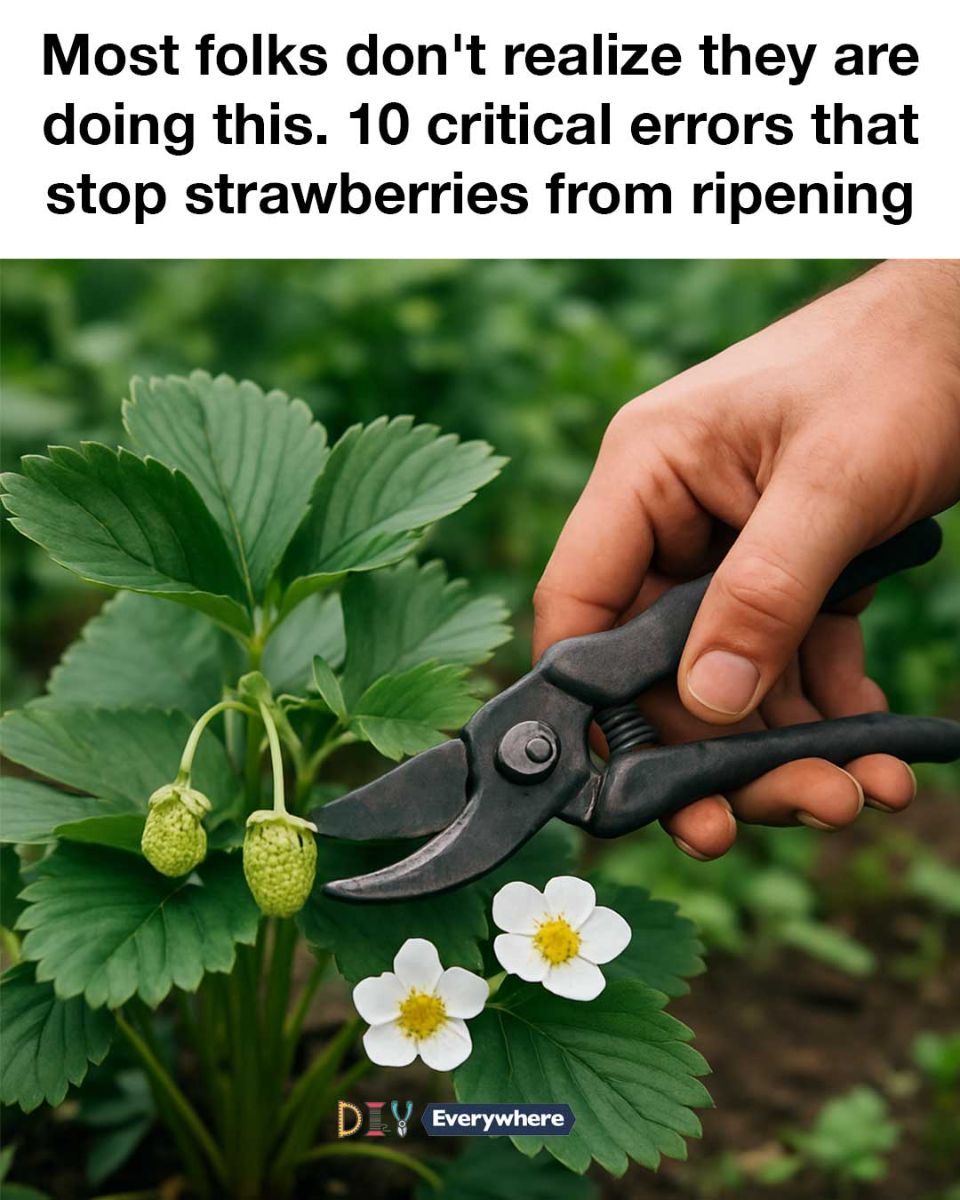
Strawberries are a beloved fruit, cherished for their sweet flavor and vibrant color. However, many gardeners find themselves frustrated when their strawberry plants fail to produce ripe fruit. The process of growing strawberries can be surprisingly complex, and there are several critical errors that can impede the ripening process.
Understanding these common mistakes is the first step toward cultivating a successful strawberry crop. By addressing these issues, gardeners can enjoy a bountiful harvest of delicious, ripe strawberries. This article will explore ten critical errors that often go unnoticed but can significantly impact the ripening of strawberries.
1. Overcrowding the Plants
One of the most common mistakes gardeners make is overcrowding their strawberry plants. When plants are too close together, they compete for resources such as sunlight, water, and nutrients. This competition can stunt growth and prevent strawberries from ripening properly. Ideally, strawberry plants should be spaced about 12 to 18 inches apart to allow for adequate air circulation and resource allocation.
Overcrowding can also lead to increased humidity around the plants, creating a favorable environment for diseases such as powdery mildew and gray mold. These diseases can further hinder the ripening process and reduce the overall yield of the crop.
2. Inadequate Sunlight Exposure
Strawberries require full sunlight to thrive and ripen effectively. This means they need at least 6 to 8 hours of direct sunlight each day. Without sufficient sunlight, the plants may produce small, underdeveloped fruits that fail to ripen. It’s crucial to plant strawberries in a location that receives ample sunlight throughout the day.
In some cases, gardeners may need to trim nearby trees or shrubs that cast shade on the strawberry patch. Additionally, if strawberries are grown in containers, it’s important to move them to sunnier spots as needed to ensure they receive the necessary light exposure.
3. Poor Soil Quality
The quality of the soil plays a significant role in the ripening of strawberries. Strawberries prefer well-drained, sandy loam soil with a pH between 5.5 and 6.8. Poor soil quality, such as heavy clay or overly sandy soil, can impede root development and nutrient uptake, leading to poor fruit ripening.
To improve soil quality, gardeners can amend the soil with organic matter such as compost or well-rotted manure. This not only enhances soil structure but also provides essential nutrients that support healthy plant growth and fruit development.
4. Insufficient Watering Practices
ADVERTISEMENT
