
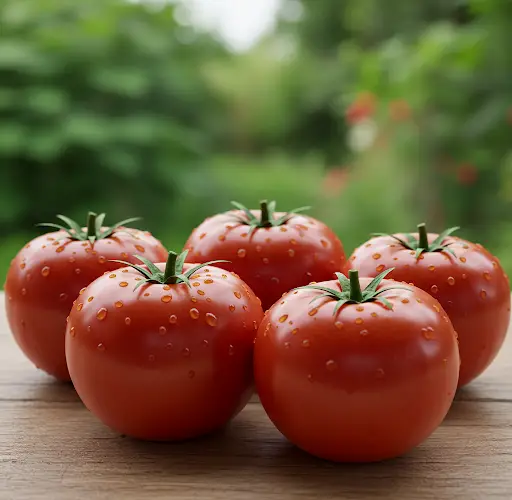
Organic Tomato Planting Method for a Healthier, More Productive Garden
Tomatoes are one of the most popular crops grown in home gardens, and with the right approach, you can enjoy a massive harvest. A key part of ensuring success starts with proper bed preparation, a thoughtful planting technique, and a nutrient-rich starter liquid to give your young tomato plants a strong boost. This method not only works wonderfully for tomatoes, but it’s equally effective for other fruiting vegetables like peppers.
This guide walks you through each step—from making use of garden leftovers to preparing your planting site—so your tomato plants can thrive from day one.
Step 1: Reuse Organic Waste to Create a Powerful Liquid Fertilizer
After harvesting carrots from a garden bed, it’s common to discard the carrot leaves. However, these greens are full of nutrients and can be reused to improve your soil instead of throwing them away.
-
-
Chop the Carrot Leaves: Begin by finely chopping the leftover carrot leaves. Smaller pieces decompose more quickly, making nutrients available to plants sooner
-
-
Create a Nutrient Solution: Place several handfuls of chopped carrot leaves into a bucket or large container. Add a few handfuls of mature compost to the mix. Then, fill the container with non-chlorinated water—rainwater is ideal.
-
Fermentation Time: Stir the mixture thoroughly and cover it loosely to allow some air in while keeping pests out. Leave it to ferment for at least 14 days. Over time, the mixture breaks down, creating a nutrient-rich liquid fertilizer.
This natural solution will be used later when planting tomatoes. It is rich in nitrogen and micronutrients that help seedlings establish quickly and grow vigorously.
Step 2: Prepare the Garden Bed for Tomatoes
While the liquid is fermenting, turn your attention to the garden bed. Reusing a bed that previously supported another crop is a sustainable and effective way to manage soil health. In this case, use the same bed where carrots were previously grown.
-
-
Add Organic Matter: Spread the remaining chopped carrot leaves evenly across the bed. These will add organic material back into the soil, improving texture and nutrient content.
-
Apply Neem Cake: Sprinkle a generous layer of neem cake over the chopped leaves. Neem cake is a powerful organic amendment that repels harmful soil-borne pests and diseases. It also serves as a slow-release fertilizer.
-
Top with Decomposed Manure: Cover everything with a layer of well-rotted manure. Manure boosts the nutrient content of the soil and enhances moisture retention—an important factor in healthy root development.
-
-
Let It Rest: Allow the bed to rest for two weeks before planting. This waiting period enables the leaves and organic material to begin decomposing and enriching the soil. It also gives the neem cake time to activate in the soil.
Step 3: Plant Tomato Seedlings for Maximum Root Development
After the two-week resting period, your garden bed will be teeming with nutrients and ready to support new growth.
see next page 💕👇
ADVERTISEMENT
ADVERTISEMENT
