
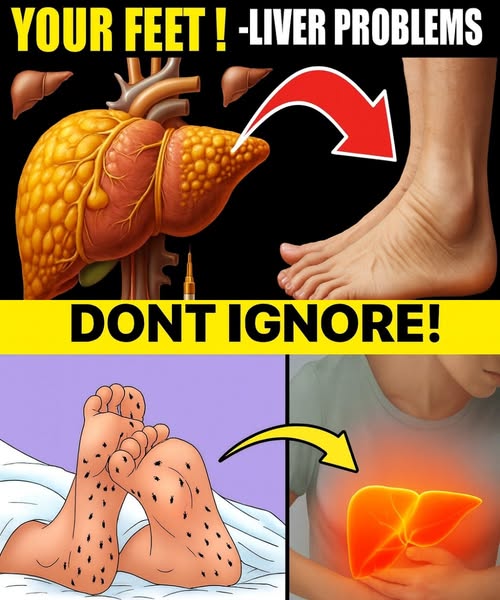
Did you know the state of your feet could be shouting warnings about your liver? Your liver, the body’s tireless detox machine, juggles over 500 vital tasks—filtering toxins, aiding digestion, and regulating metabolism. When it’s under stress, it doesn’t always scream for help with obvious symptoms. Instead, subtle signs can appear in unexpected places, like your feet. Ignoring these clues could mean missing early liver disease, which can escalate into serious conditions like cirrhosis or liver failure. Ready to decode your body’s hidden messages? Here are 12 surprising ways your feet might be signaling liver trouble—and what you can do to protect your health.
💡 Why Your Feet Hold Clues to Liver Health
Your liver is a powerhouse, but chronic issues like hepatitis, fatty liver disease, or excessive alcohol use can wear it down. As it struggles, toxins build up, blood flow falters, and nutrient imbalances emerge—often showing up in your extremities. Your feet, far from the liver, are a surprising hotspot for these early warning signs. Catching them early could be the key to reversing damage, as the liver has remarkable regenerative powers when treated in time. Let’s dive into the 12 foot symptoms that could be your liver’s cry for help.
🚨 12 Foot Symptoms Signaling Liver Problems
1. Swollen Feet and Ankles
When your liver falters, it may produce less albumin, a protein that keeps fluid in your blood vessels. This leads to fluid leaking into tissues, causing edema—swelling in your feet and ankles. Pitting edema, where pressing leaves a dent, is a classic sign of advanced liver issues like cirrhosis.
Why It Matters: Swelling can signal serious liver dysfunction and needs immediate attention.
2. Persistent Itchy Feet
Intense itching, especially on your soles, could point to cholestasis, where bile flow is blocked due to liver damage. Conditions like primary biliary cirrhosis or hepatitis C can cause bile buildup, triggering itchiness that worsens at night.
Why It Matters: Itchy feet aren’t just annoying—they may indicate a liver struggling to process toxins.
3. Yellowish Skin or Toenails
Jaundice, marked by a yellow tint in your skin, eyes, or toenails, occurs when the liver can’t clear bilirubin, a waste product. This is a hallmark of liver diseases like hepatitis or cirrhosis.
Why It Matters: Yellowing nails or skin are a red flag for liver dysfunction and require urgent medical evaluation.
4. Dark Patches or Hyperpigmentation
Liver issues can disrupt melanin production, causing dark patches or discoloration on your feet. These may appear as uneven, shadowy spots that don’t fade with moisturizing.
Why It Matters: Hyperpigmentation could signal hormonal or metabolic imbalances tied to liver stress.
5. Red or Blotchy Feet
Palmar erythema, a condition causing red, blotchy soles or palms, is linked to liver disease. It’s often due to hormonal imbalances, like excess estrogen, from impaired liver function.
Why It Matters: Red feet can be an early clue to liver issues, especially in alcohol-related damage.
6. Tingling or Numb Feet
Liver diseases like hepatitis C or alcoholic liver disease can cause peripheral neuropathy, damaging nerves and leading to tingling, numbness, or pain in your feet. Over 50% of cirrhosis patients experience this.
Why It Matters: Nerve damage signals advanced liver issues and can impair mobility if ignored.
7. Cold Feet All the Time
Poor liver function can disrupt circulation, leaving your feet feeling icy even in warm conditions. This may stem from reduced blood flow or metabolic slowdowns.
Why It Matters: Persistent cold feet could hint at systemic issues tied to liver health, not just poor socks.
8. Brittle or Ridged Toenails
A struggling liver can’t process nutrients like protein or vitamins, weakening nails. Look for ridges, brittleness, or slow growth—signs of deficiencies linked to liver dysfunction.
Why It Matters: Nail changes are an early warning of nutrient malabsorption caused by liver issues.
9. Cracked, Dry Heels
Liver damage reduces skin hydration by impairing oil production and fluid balance, leading to painfully cracked heels that resist healing. Low albumin levels can exacerbate this.
Why It Matters: Stubbornly dry heels may reflect deeper liver-related imbalances.
10. Toenail Fungus or Frequent Infections
A weakened liver compromises your immune system, making your feet prone to fungal or bacterial infections. Thick, yellow, or crumbly toenails could signal this vulnerability.
Why It Matters: Recurring infections suggest your liver isn’t supporting your body’s defenses.
11. Foot Cramps and Muscle Weakness
Liver disease can disrupt electrolytes like potassium and magnesium, causing frequent foot cramps or muscle weakness. This is common in cirrhosis or hepatitis.
Why It Matters: Persistent cramps may indicate metabolic issues tied to liver failure, affecting your quality of life.
12. Unexplained Bruising
A damaged liver produces fewer clotting proteins, leading to easy bruising on your feet or elsewhere. Small, unexplained bruises or slow-healing cuts are a warning sign.
Why It Matters: Bruising reflects impaired liver function and increased bleeding risk, a serious concern.
🩺 When to Seek Medical Help
If you notice any of these symptoms—especially swelling, jaundice, or persistent itching—don’t wait. Contact a healthcare provider for a thorough evaluation. Simple blood tests or imaging can assess liver function, and early intervention can prevent irreversible damage. Conditions like fatty liver or early hepatitis are often reversible with lifestyle changes, but advanced stages like cirrhosis are harder to treat. Act fast to protect your liver and overall health.
🌿 How to Support Your Liver Naturally
Your liver is resilient, but it needs support to thrive. Here are practical steps to boost liver health and potentially reverse early damage:
Eat Liver-Friendly Foods: Add cruciferous vegetables (broccoli, kale), beets, and garlic to your diet to support detox and reduce inflammation.
Limit Alcohol: Excessive drinking is a leading cause of liver damage. Stick to moderate or no alcohol to ease the burden on your liver.
Maintain a Healthy Weight: Obesity is linked to fatty liver disease. A balanced diet and regular exercise can prevent fat buildup.
Stay Hydrated: Water helps flush toxins, supporting liver function. Aim for 8-10 glasses daily.
Avoid Toxins: Minimize exposure to processed foods, high-fructose corn syrup, and unnecessary medications, which strain the liver.
Consider a Keto Diet: A low-carb, high-fat diet paired with intermittent fasting may reduce liver fat and improve function, as suggested by some experts.
💥 Why You Can’t Ignore These Foot Signals
Your feet are more than just a mode of transport—they’re a window into your body’s health. Liver disease often creeps up silently, with symptoms like fatigue or nausea appearing too late. By paying attention to your feet, you can catch problems early, when the liver’s regenerative powers are still on your side. From swelling to tingling, these 12 signs are your body’s way of waving a red flag. Don’t dismiss them as “just foot pain”—they could be the key to saving your liver.
🚀 Take Action for Your Liver Today
Your liver works tirelessly, but it’s not invincible. Those swollen ankles, itchy soles, or brittle nails might be more than a nuisance—they could be your liver begging for help. Start by checking your feet for these 12 warning signs, and don’t hesitate to see a doctor if you spot them. Pair this vigilance with a liver-friendly lifestyle—more greens, less alcohol, and regular movement—to keep your liver thriving. Ready to listen to your body? Take the first step today and protect your health before it’s too late. Your feet—and your liver—will thank you!
ADVERTISEMENT
