
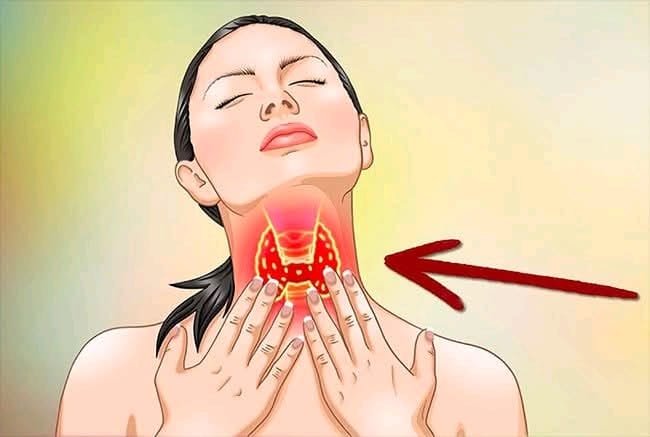
Hypothyroidism is a condition in which the thyroid gland fails to produce or release enough hormones. This can cause slow metabolism, weight gain, feeling cold, and hair loss, among other things.
Understanding the thyroid
The thyroid is a butterfly-shaped gland located in the neck, just in front of the trachea. It is essential because it produces hormones (T3, T4, calcitonin) that control many aspects of metabolism, such as food digestion, heart rate, respiration, body temperature, and bone mineralization.
When the thyroid gland is not functioning properly or does not secrete the right amount of hormones, various symptoms may appear:
- Thinning hair, especially on the outer parts of the eyebrows
- Difficulty tolerating cold
- common weight gain
- Feeling depressed or constantly tired
- Deep, vertical nail ridges
Untreated hypothyroidism can lead to the development of nodules and goiters, which resemble a lump in the neck. In advanced stages, this can lead to myxedema, a life-threatening condition in which internal organs begin to slow down and stop functioning properly.
Causes of hypothyroidism
In 90% of cases, hypothyroidism is caused by Hashimoto’s disease, an autoimmune condition in which the immune system attacks healthy thyroid tissue. This often happens when the intestinal lining is damaged, allowing undigested proteins to enter the bloodstream, causing inflammation and immune system overactivity.
ADVERTISEMENT
