
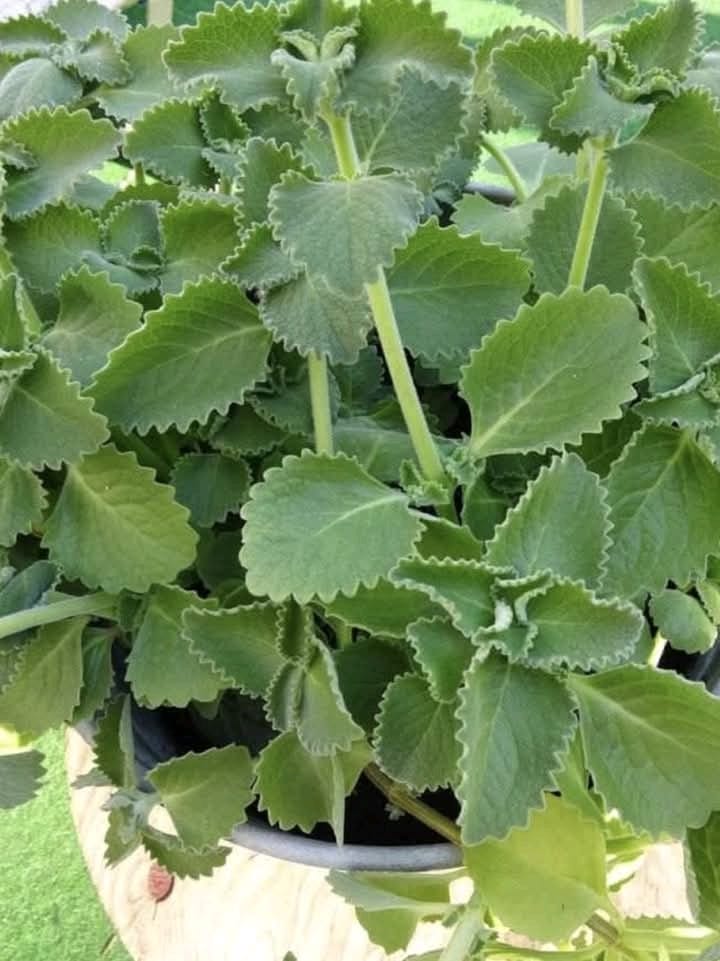
Nothing warms up your meals quite like oregano — but beyond its bold flavor, oregano (Origanum vulgare) has been studied for its potential health-supporting properties, from antioxidant power to antimicrobial effects.
Used for centuries in Mediterranean and traditional medicine systems, oregano isn’t a “miracle cure,” but modern science confirms it contains compounds that may contribute to overall wellness when used as part of a healthy lifestyle.
Let’s explore what research really says about oregano — so you can appreciate this kitchen staple for both its taste and its science.
Because real wellness doesn’t come rom viral remedies.
It grows from knowledge, balance, and everyday choices.
What’s Inside Oregano? Key Bioactive Compounds
Oregano is packed with plant-based compounds that have drawn interest from researchers:
- Carvacrol – The most abundant compound; studied for antibacterial and anti-inflammatory effects
- Thymol – Natural antifungal and preservative agent
- Rosmarinic acid – Antioxidant that may support immune and cellular health
- Lutein & beta-carotene – Support eye and skin health
 Oregano ranks among the top herbs for antioxidant activity — even higher than blueberries (by weight).
ADVERTISEMENT
