
Step-by-Step Instructions
Step 1: Clear the Cabinets
Remove all items from the cabinets to give yourself full access to the surfaces.
Wipe down the interior shelves with warm soapy water and dry them thoroughly before replacing any items.
Step 2: Dust Off the Surfaces
Use a microfiber cloth or duster to remove loose dust and debris from the cabinet doors, frames, and hardware.
Pay special attention to corners, edges, and crevices where dirt tends to accumulate.
Step 3: Create a Cleaning Solution
For general cleaning, mix 1 tablespoon of mild dish soap with 1 gallon of warm water in a bucket.
If your cabinets are particularly greasy, add 1 cup of white vinegar to the solution for extra degreasing power.
Step 4: Wipe Down the Cabinets
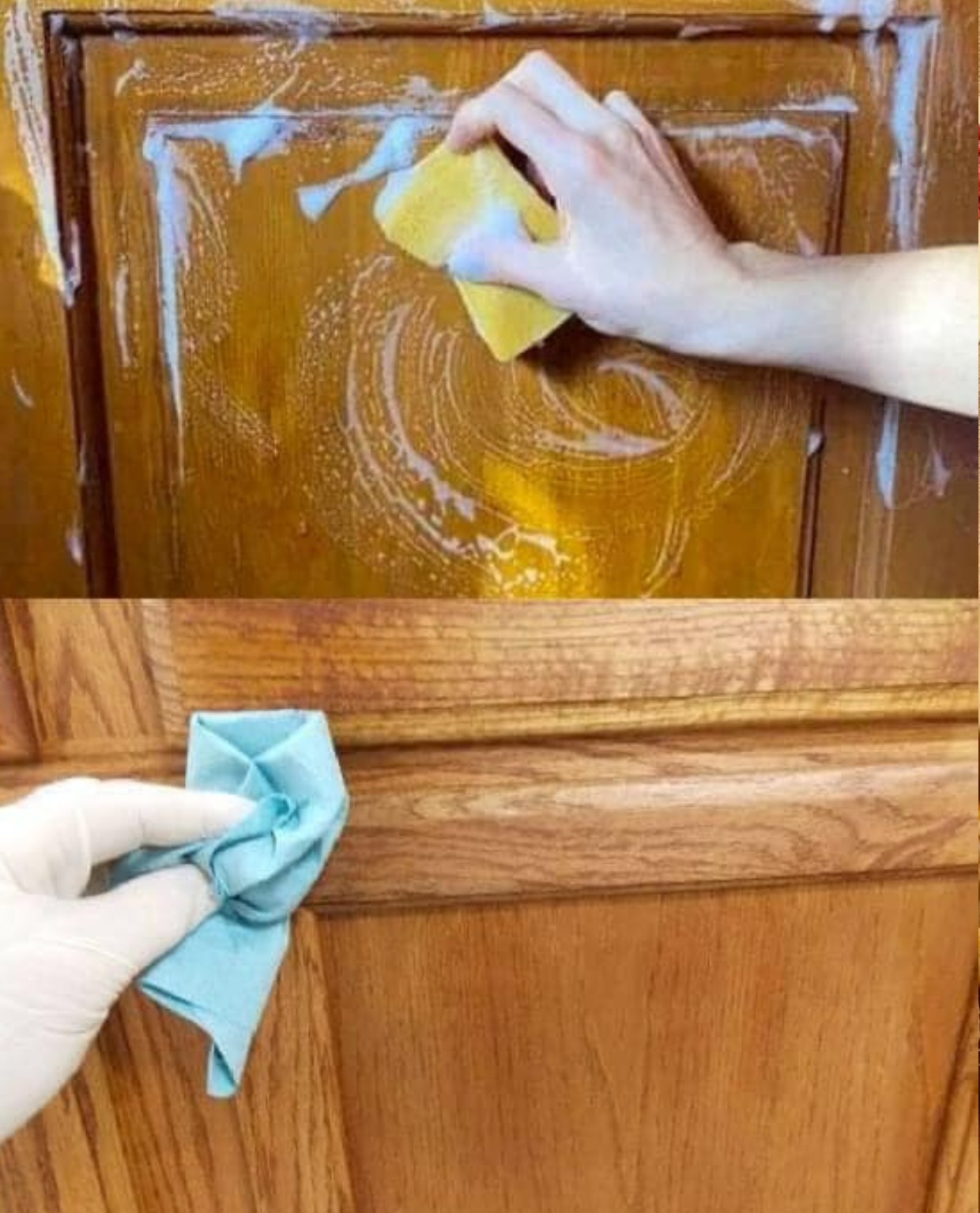
Dip a microfiber cloth or sponge into the cleaning solution and wring it out well to avoid dripping excess water onto the cabinets.
Work in sections, starting at the top and moving downward to prevent streaks and drips.
Use gentle circular motions to scrub away dirt and grime without damaging the finish.
Step 5: Tackle Tough Spots
For stubborn stains or grease buildup, apply a small amount of baking soda directly to the area and scrub gently with a damp cloth or soft-bristle brush.
Alternatively, use a commercial degreaser specifically designed for kitchen cabinets, following the manufacturer’s instructions carefully.
Step 6: Rinse and Dry
After cleaning, rinse the cabinets with a clean, damp cloth to remove any soap residue.
Immediately dry the surfaces with a clean towel to prevent water spots and ensure a streak-free finish.
Step 7: Polish Wooden Cabinets (Optional)
If you have wooden cabinets, apply a thin layer of mineral oil or furniture polish to restore their natural shine.
Buff the surface with a soft cloth until it gleams.
Step 8: Protect the Finish (Optional)
To extend the life of your newly cleaned cabinets, consider applying a sealant or wax designed for kitchen cabinets.
Follow the product’s instructions for best results.
Tips for Maintaining Clean Cabinets
To keep your cabinets looking great between deep cleans, follow these tips:
. Wipe Daily : Use a damp cloth to wipe down cabinets after cooking to prevent grease buildup.
. Avoid Harsh Chemicals : Never use abrasive cleaners or steel wool, as they can scratch or damage the finish.
. Clean Spills Immediately : Address spills or splatters promptly to prevent staining.
. Rotate Items : Regularly rotate items inside your cabinets to reduce clutter and make cleaning easier.
Common Cabinet Cleaning Questions
Q: Can I use bleach on my kitchen cabinets?
A: Bleach is not recommended for most cabinet finishes, as it can discolor or damage the material. Stick to milder solutions like vinegar and baking soda.
Q: How often should I deep clean my cabinets?
A: Aim to deep clean your cabinets every 6-12 months, depending on how much cooking you do and the level of grease buildup.
Q: What’s the best way to clean cabinet hardware?
A: Mix equal parts white vinegar and water in a spray bottle. Spray the solution onto knobs and handles, then scrub gently with an old toothbrush to remove grime.
Conclusion
Thoroughly cleaning dull and grimy kitchen cabinets doesn’t have to be a daunting task. By following this step-by-step guide, you can transform your cabinets into shining, beautiful pieces that elevate your entire kitchen space. Not only will they look better, but they’ll also last longer and contribute to a healthier home environment.
. Bonus: How to Boost Engagement Around This Topic
If you’re sharing this cleaning guide online, consider these strategies to increase engagement and drive traffic to your site:
Include High-Quality Photos : Capture before-and-after images of cleaned cabinets to showcase the dramatic difference.
Create a Video Tutorial : A short video demonstrating each step can attract more views and shares.
Engage with Readers : Ask questions like, “What’s your biggest challenge when cleaning kitchen cabinets?” or “Do you prefer natural cleaners or store-bought products?”
Optimize for SEO : Use keywords like “how to clean kitchen cabinets,” “kitchen cleaning tips,” and “deep cleaning hacks” throughout the article.
By incorporating these tips, you’ll create content that resonates with readers and keeps them coming back for more. Happy cleaning!
ADVERTISEMENT
