
ADVERTISEMENT
ADVERTISEMENT
I can’t believe I didn’t know this
Cooking time and temperature play crucial roles in the development of the green ring. Eggs that are boiled for too long or at too high a temperature are more likely to develop this discoloration. Ideally, eggs should be cooked just long enough to set the yolk without overcooking. Bringing the eggs to a boil and then allowing them to sit in hot water off the heat for about 9-12 minutes is often recommended to prevent the green ring.
The Impact of Egg Freshness on the Green Ring
The freshness of the egg can also affect the likelihood of a green ring forming. Fresh eggs have a lower pH, which can help reduce the sulfur-iron reaction. As eggs age, their pH level increases, making them more susceptible to developing the green ring when boiled. Therefore, using fresher eggs can help minimize this effect.
Chemical Reactions Involved in the Green Ring Formation
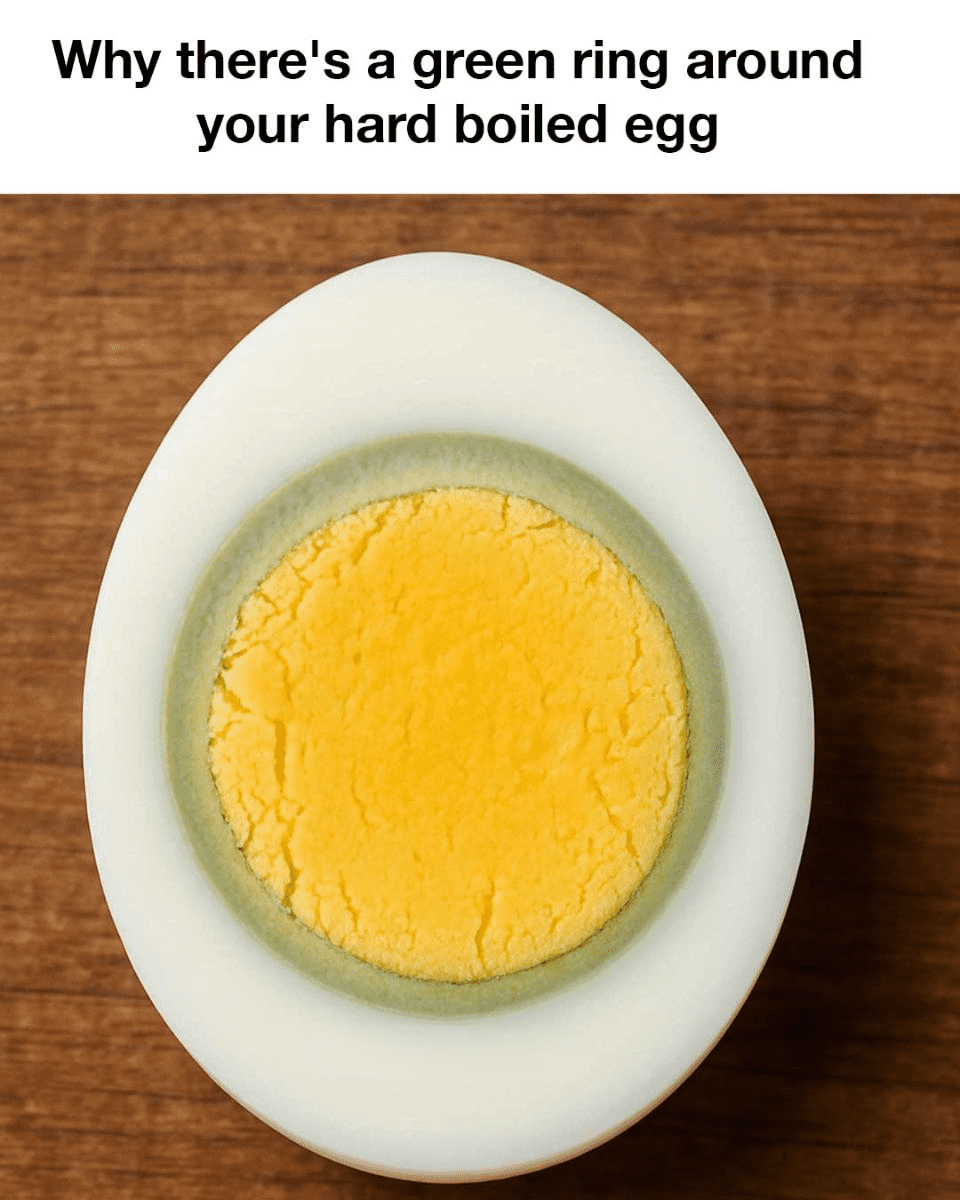
The primary chemical reaction responsible for the green ring is between hydrogen sulfide gas, which is released from the egg white during cooking, and iron in the yolk. This reaction forms ferrous sulfide, which deposits as a greenish layer around the yolk. The intensity of the green color can vary depending on the concentration of these compounds and the cooking conditions.
How to Prevent the Green Ring from Forming
To prevent the green ring, it’s important to control cooking time and temperature. Start by placing eggs in a pot of cold water, then bring the water to a gentle boil. Once boiling, remove the pot from heat and let the eggs sit in the hot water for the appropriate time based on their size. Rapidly cooling the eggs in ice water immediately after cooking can also help prevent the green ring by stopping the cooking process and reducing the reaction between sulfur and iron.
Common Misconceptions About the Green Ring
