
ADVERTISEMENT
ADVERTISEMENT
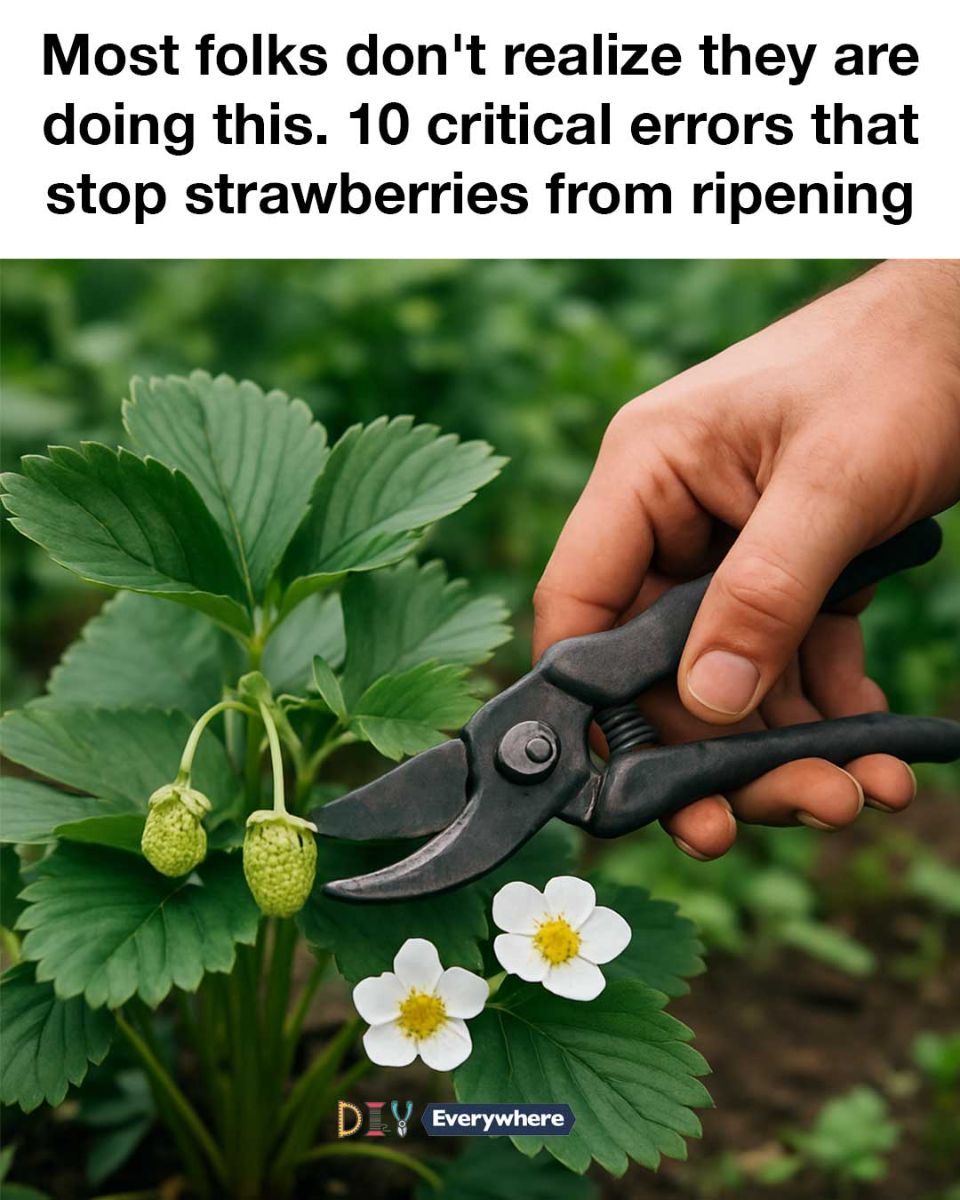
Most folks don’t realize they are doing this. 10 critical errors that stop strawberries from ripening
Proper watering is crucial for the successful ripening of strawberries. Strawberries need consistent moisture, especially during fruit development. However, overwatering can be just as detrimental as underwatering. The key is to maintain a balance, ensuring the soil is moist but not waterlogged.
Gardeners should aim to water their strawberry plants about 1 to 1.5 inches per week, adjusting based on weather conditions. It’s best to water in the morning to allow excess moisture to evaporate during the day, reducing the risk of fungal diseases.
5. Ignoring Proper Fertilization
Fertilization is essential for providing strawberries with the nutrients they need to grow and ripen. However, improper fertilization can lead to nutrient imbalances that affect fruit quality. Over-fertilizing with nitrogen, for example, can promote excessive leaf growth at the expense of fruit development.
Gardeners should use a balanced fertilizer with a ratio such as 10-10-10, applying it in early spring and again after the first harvest. It’s important to follow the recommended application rates to avoid nutrient overload and ensure healthy fruit ripening.
6. Neglecting Pest Control
Pests such as slugs, snails, and aphids can damage strawberry plants and hinder fruit ripening. These pests feed on the leaves, stems, and fruits, causing physical damage and introducing diseases. Regular monitoring and control measures are essential to protect the plants.
Gardeners can use organic pest control methods such as introducing beneficial insects, using insecticidal soap, or setting up physical barriers like copper tape to deter slugs and snails. Keeping the garden clean and free of debris also helps reduce pest habitats.
7. Failing to Prune Regularly
Pruning is an important practice that helps maintain the health and productivity of strawberry plants. Removing dead or damaged leaves and runners allows the plant to focus its energy on fruit production and ripening. Neglecting to prune can lead to overcrowded plants and reduced air circulation, which can impede ripening.
Gardeners should regularly inspect their strawberry plants and remove any unnecessary growth. This not only improves air circulation but also reduces the risk of disease and encourages the development of larger, healthier fruits.
8. Planting at the Wrong Time
Timing is crucial when it comes to planting strawberries. Planting too early or too late in the season can affect the plant’s ability to produce ripe fruit. In most regions, strawberries should be planted in early spring as soon as the soil can be worked.
Planting at the right time ensures that the plants have enough time to establish themselves and produce fruit before the onset of extreme temperatures. Gardeners should also consider the specific variety of strawberries they are planting, as some may have different planting requirements.
9. Using the Wrong Strawberry Variety
ADVERTISEMENT
