
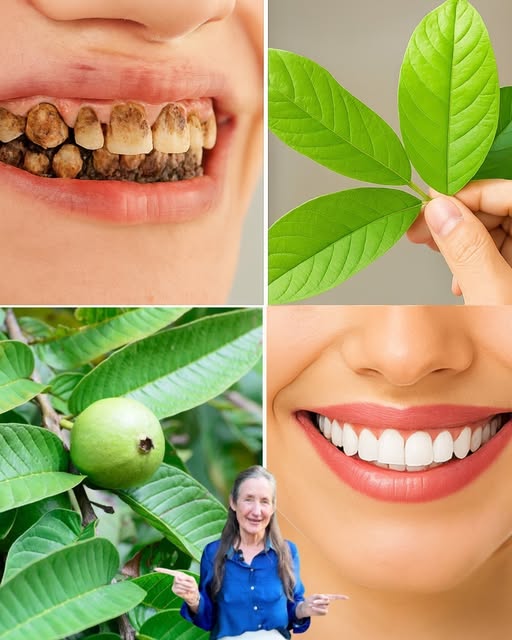
For centuries, traditional healers across tropical regions—from India to the Caribbean—have turned to an unassuming green leaf for relief from toothaches, gum inflammation, and bad breath: the guava leaf.
Long before modern toothpaste and mouthwash, people chewed guava leaves or swished warm guava leaf tea to soothe oral pain and maintain fresh, healthy gums. Today, science is catching up—and the results are compelling.
While guava leaves won’t replace your dentist or daily brushing, emerging research suggests they may be a powerful, natural ally in supporting oral health. Here’s what makes them so special—and how you can use them safely.
🌿 Why Guava Leaves? Science Meets Tradition
Guava leaves (Psidium guajava) are rich in antioxidants, flavonoids, tannins, and antimicrobial compounds—particularly quercetin, catechin, and gallic acid—which give them impressive anti-inflammatory and antibacterial properties.
Multiple studies, including research published in the Journal of Ethnopharmacology and the International Journal of Microbiology, have found that guava leaf extracts can:
Reduce plaque-forming bacteria (like Streptococcus mutans)
Decrease gum inflammation (gingivitis)
Alleviate toothache and oral pain
Freshen breath naturally by neutralizing odor-causing microbes
In one clinical trial, a guava leaf mouthwash performed comparably to chlorhexidine (a common antiseptic rinse)—but without the staining or bitter aftertaste.
🦷 How to Use Guava Leaves for Oral Health (Safely & Effectively)
✅ 1. Guava Leaf Mouth Rinse (Most Effective Method)
What you’ll need:
ADVERTISEMENT
