
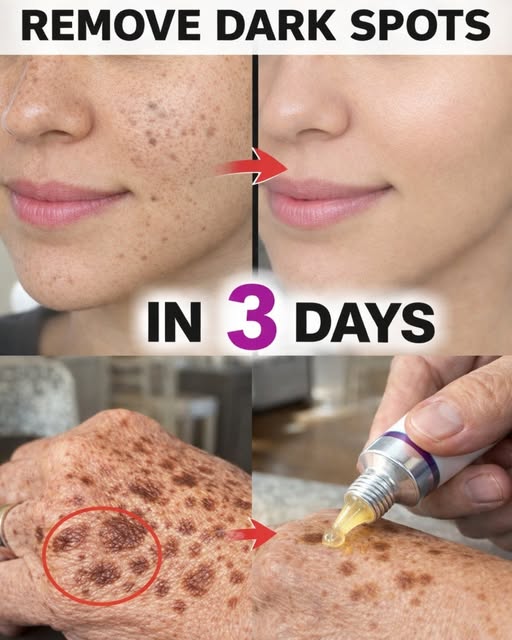
Ingredients for One Application
1 tablespoon cornstarch
1 tablespoon baking soda
Juice from half a fresh lemon (about 1-2 tablespoons)
How to Prepare and Apply
In a small bowl, mix the cornstarch and baking soda first.
Slowly add the lemon juice while stirring to form a smooth paste. It should be spreadable but not too runny.
Cleanse your face gently with water.
Apply a thin layer to clean, dry skin on areas like the face, hands, or neck.
Leave it on for 5-10 minutes—no longer to avoid irritation.
Rinse thoroughly with lukewarm water and pat dry.
Follow with your usual moisturizer.
Use this 2-3 times per week in the evening for best results. Many notice the skin feels softer right away.
Here’s a quick comparison of the roles:
Ingredient Common Role in DIY Masks Key Note
Lemon Provides natural acidity and vitamin C Always use fresh for potency
Baking Soda Mild physical exfoliation Use sparingly to prevent dryness
Cornstarch Soothes and thickens the mixture Helps balance the formula
Gentle Variations to Customize Your Mask
Everyone’s skin is unique, so tweaking the recipe can make it even better suited to your needs.
Variation 1: Adding Honey for Hydration
If dryness is a concern:
Add 1 teaspoon of raw honey to the basic mix.
Honey acts as a natural humectant, drawing moisture to the skin.
Variation 2: Incorporating Yogurt for Soothing
For those with sensitive skin:
Replace some lemon juice with 1 tablespoon plain yogurt.
The lactic acid in yogurt offers gentler exfoliation.
Variation 3: Mixing in Aloe Vera
For extra cooling:
Blend in 1 teaspoon aloe vera gel.
It’s widely appreciated for its calming properties.
Experiment gradually to see what feels best.
Essential Tips for Safe and Effective Use
Safety comes first with any DIY routine.
Always do a patch test: Apply a small amount to your inner arm and wait 24 hours to check for reactions.
Avoid the eye area and broken skin.
Lemon can increase sun sensitivity, so apply masks at night and steer clear of direct sun afterward.
Start slowly—once or twice a week—and watch how your skin responds.
If you have very sensitive skin or conditions like eczema, skip acidic ingredients.
Studies on natural exfoliants emphasize the importance of moderation to maintain the skin barrier.
Complementary Habits to Support Even Skin Tone
A mask alone isn’t magic—lifestyle habits amplify any routine.
Here are proven daily practices backed by dermatology research:
Apply broad-spectrum sunscreen (SPF 30+) every day, even indoors near windows.
Stay hydrated by drinking plenty of water.
Eat foods rich in antioxidants, like berries, greens, and nuts.
Get consistent sleep to support skin repair.
Gently cleanse without over-washing.
These steps help protect against further unevenness while supporting overall glow.
When to Consult a Professional
While homemade masks can be a fun addition, they’re not a substitute for expert care.
see continuation on next page
ADVERTISEMENT
