
Choosing the Best Soil
Ginger thrives in light, well-draining soil that is rich in organic matter. The ideal soil mix consists of:
- 50% potting soil
- 30% compost
- 20% sand or perlite (for aeration)
The soil should be slightly acidic (pH 5.5–6.5) for optimal growth.
Step 3: Planting Ginger
Cut and Cure the Ginger Rhizome
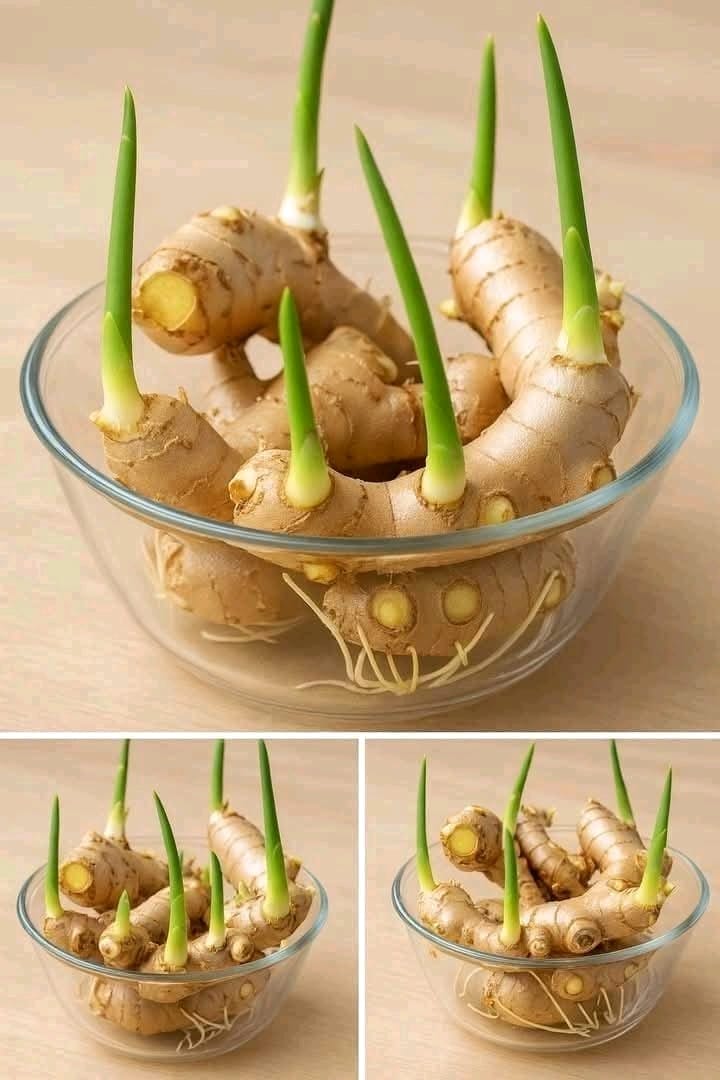
- If your ginger rhizome is large, cut it into 1–2-inch sections, ensuring each piece has at least one bud.
- Let the cut pieces dry for 1–2 days to prevent rot before planting.
Planting the Ginger
- Fill the container with soil, leaving about 2 inches from the top.
- Place the ginger rhizome horizontally, with the buds facing upward.
- Cover it with 1–2 inches of soil, but do not bury it too deep.
- Water lightly to moisten the soil.
Step 4: Providing Proper Care
Light Requirements
Ginger grows best in indirect sunlight or partial shade. Avoid direct harsh sunlight, as it can dry out the soil.
Temperature and Humidity
- Ginger prefers warm temperatures between 75–85°F (24–29°C).
- Maintain humidity by misting the plant or placing a tray of water nearby.
Watering
- Keep the soil consistently moist but not soggy.
- Water 2–3 times a week, adjusting based on climate conditions.
- Reduce watering slightly during the cooler months.
Fertilizing
- Use a balanced organic fertilizer or compost tea every 3–4 weeks.
- Avoid high-nitrogen fertilizers, as they encourage leafy growth rather than rhizome development.
ADVERTISEMENT
